
Vision 101: Presbyopia
Presbyopia is a normal, age-related change in vision that affects nearly everyone—usually beginning in the early to mid-40s. While it can feel abrupt and frustrating, presbyopia is not a disease and not a sign that anything is “wrong” with your eyes.
So what is presbyopia, and why does near vision suddenly become harder?
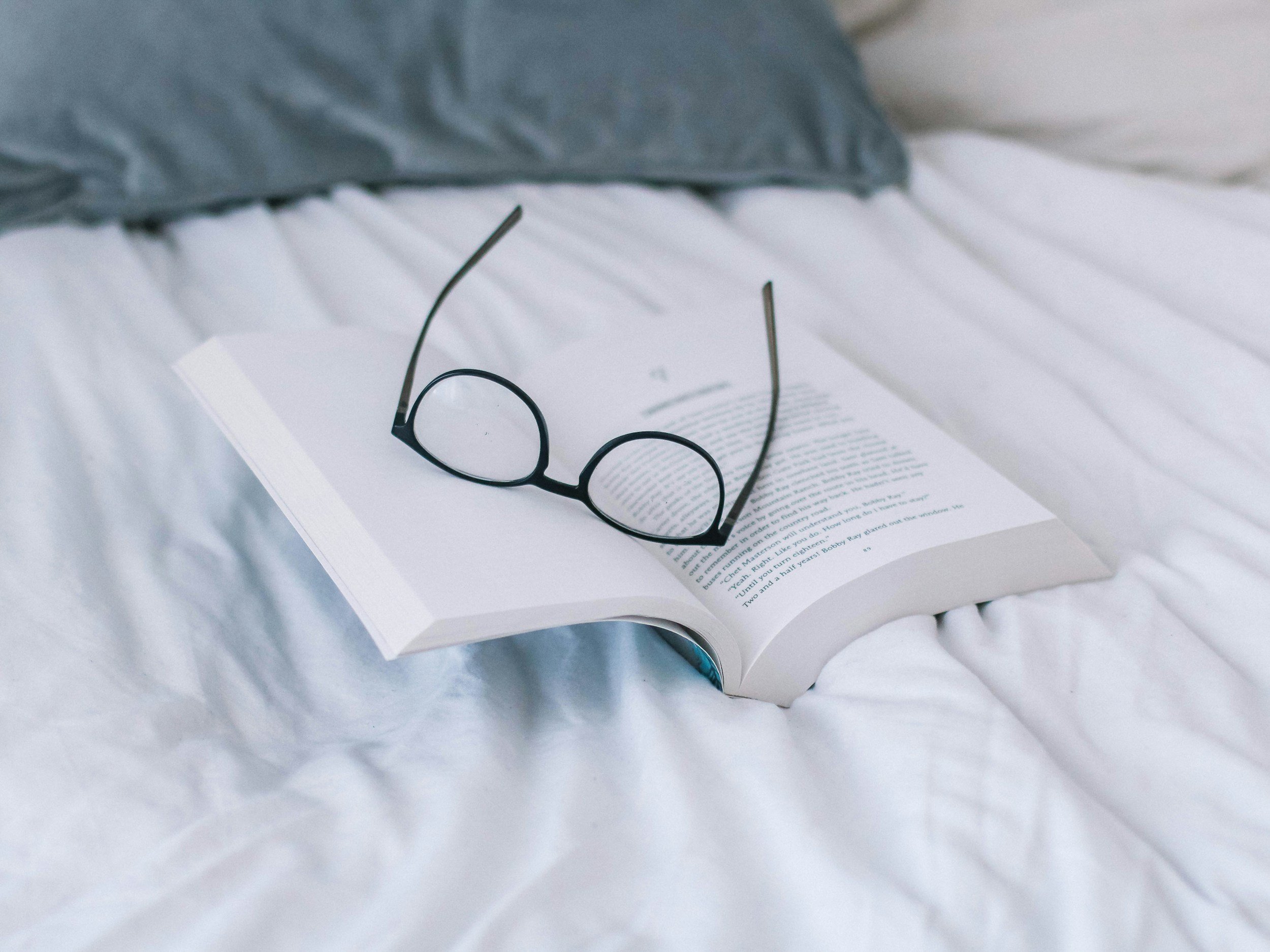
Presbyopia — What’s Actually Changing?
The crystalline lens inside the eye is responsible for about 1/3 of our distance and all of our near focusing power. When we are born, this lens is small and flexible, allowing for plenty of near-focusing power.
Science tells us that the closer an object is to your face, the more focusing power you need to keep it clear. This means that you need a different amount of focusing power when you look at your computer vs when you look at your phone.
As we grow, the lens grows with us and, over time looses it’s focusing power. Around forty- the growth of the lens outpaces our comfortable near reading distance and we find ourselves having to make adjustments.
How is Presbyopia Corrected?
Presbyopia can be managed very effectively with several options:
Reading Glasses: Over-the-counter or prescription reading glasses are the simplest solution. They provide extra focusing power for near tasks.
Bifocals or Progressive Lenses: These glasses correct distance and near vision in one pair, allowing seamless focus at multiple distances.
Contact Lenses: Options include multifocal contact lenses or monovision, where one eye is corrected for distance and the other for near.
Surgical Options: Certain refractive procedures or lens-based surgeries may help selected patients, depending on eye health and lifestyle needs.
How Is Presbyopia Measured?
Presbyopia isn’t measured the same way as refractive errors like myopia or astigmatism. Instead, eye doctors determine how much near focusing help you need based on age, symptoms, and visual needs. This extra power is written as an “ADD” on your prescription.
Common ADD ranges:
Early presbyopia: +0.75 to +1.25
Moderate: +1.50 to +2.00
Advanced: +2.25 and above
Is Presbyopia a Problem?
Presbyopia is not dangerous, but uncorrected presbyopia can significantly affect daily life leading to:
Eye strain and headaches
Reduced productivity at work
Difficulty reading labels, menus, or screens
Visual fatigue at the end of the day
Because it develops gradually, many people don’t realize how much effort their eyes are using—until correction brings relief.
How Do I Know If I Have Presbyopia?
Common signs include:
Holding reading material farther away
Blurry near vision with clear distance vision
Eye strain after reading
Needing brighter light to see clearly up close
The simplest answer, as always: get an eye exam.
An eye doctor can confirm presbyopia and help you choose the best correction based on your vision needs and lifestyle.
If Presbyopia Effects Everyone, Why Doesn’t Everyone Wear Glasses After 40?
While presbyopia does effect everyone, some people may be able to defer reading glasses for several reasons including:
Distance Vision Prescription: People who are nearsighted can take off their distance glasses to read.
Longer Arms: People who are taller and have longer arms have a greater “comfortable” reading distance and may not need help until later in life
Different Visual Needs: Some people spend very little time doing things up close.
Tricks: Some people may choose to use brighter lighting or magnify letters on their devices instead of wearing reading glasses.
Contact Lenses and Surgery: You do not know if someone is wearing contact lenses or if they’ve had surgery because neither are immediately obvious.
Presbyopia FAQ
What age does presbyopia usually start?
Presbyopia typically becomes noticeable in the early to mid-40s, although some people notice symptoms slightly earlier or later.
Is presbyopia preventable?
No. Presbyopia is a normal, age-related change and cannot be prevented. However, it can be corrected very effectively with glasses, contact lenses, or other options.
Why did my near vision change so suddenly?
Presbyopia develops gradually, but many people notice it suddenly once the eye can no longer compensate. This often feels abrupt even though the change has been happening over time.
Do I still need reading glasses if I have perfect distance vision?
Yes. Even people with excellent distance vision will eventually need help with near focusing due to presbyopia.
Can presbyopia get worse over time?
Presbyopia naturally progresses slowly until the mid-60s, when near focusing ability stabilizes.
Are drugstore reading glasses okay?
Over-the-counter readers can work for simple near tasks, but prescription glasses provide more precise correction—especially if you have different needs in each eye or other refractive errors.
