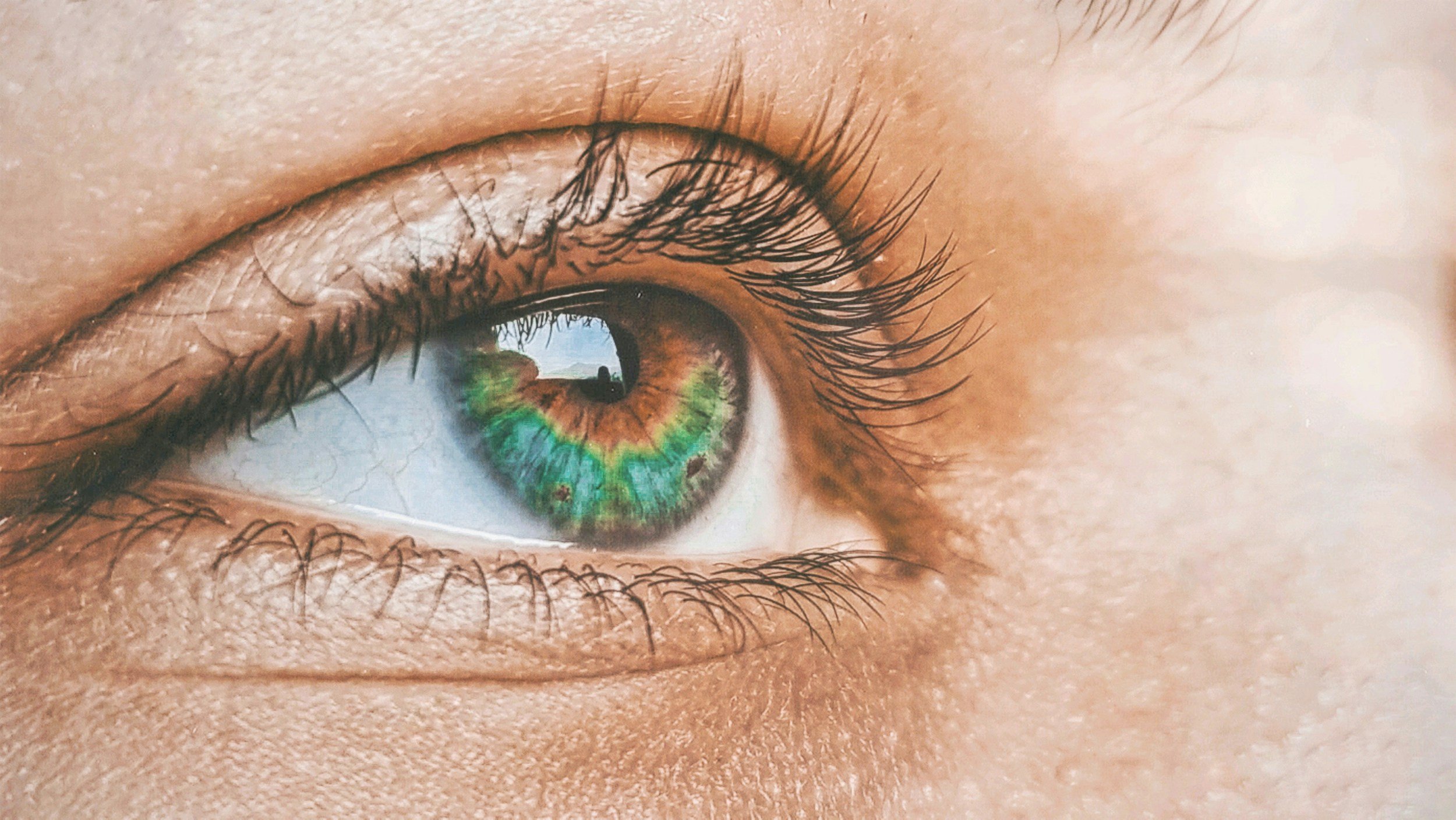
What Does Your Eye Color Say About You? (Science vs. Myth)
Do blue eyes mean sensitivity? Are green eyes the rarest? Discover the science behind eye color and separate fact from fiction.

Fall Eye Care: Protecting Your Vision as the Seasons Change
Cooler weather, fall allergies, increased screen time, and costume contact lenses can impact your eyes. Learn how to protect your vision this autumn.
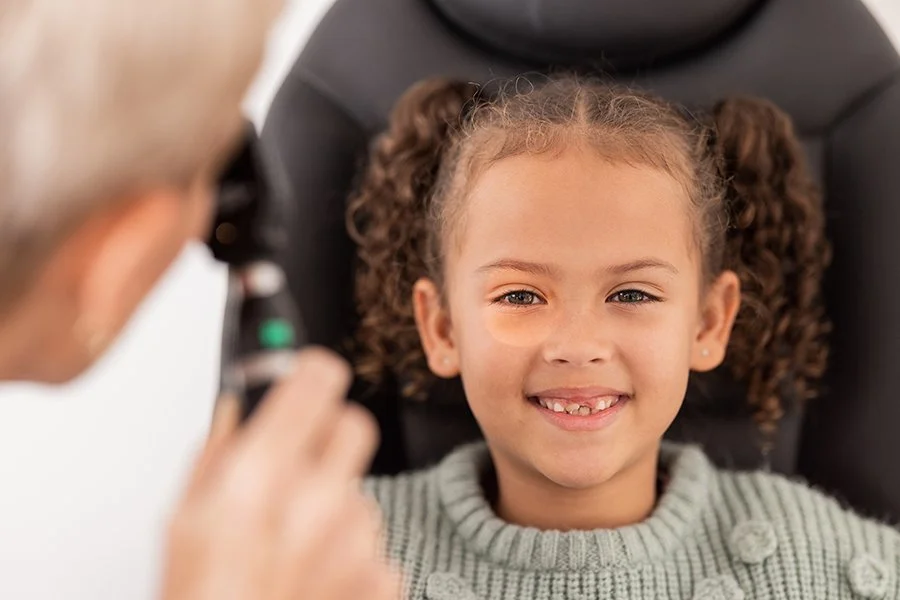
Myopia Management: What Is It and Does My Child Need It?
Myopia management can slow nearsightedness progression in children. Learn evidence-based options like atropine, myopia-control contacts, and specialty glasses.
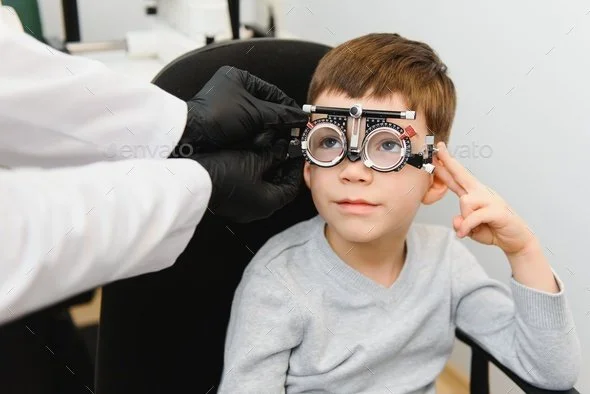
Is Screen Time Causing Myopia?
Screen time and myopia are linked, but the story is bigger than devices. Learn what studies show about near work, outdoor time, and how to reduce risk.
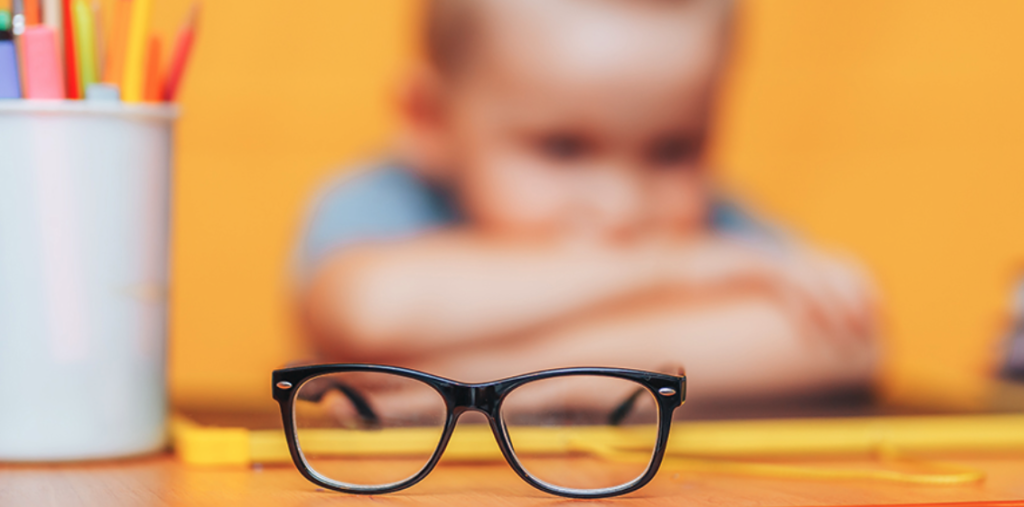
Myopia vs. Normal Vision: A Parent-Friendly Visual Explanation
What’s the difference between normal vision and myopia? Learn how eye growth affects nearsightedness and why early monitoring matters.

Myopia in Children: What Parents Need to Know
Myopia in children is increasing worldwide. Learn what causes nearsightedness, long-term risks, and how early eye exams can help manage progression.

Back-to-School Checklist: Don’t Forget the Eye Exam
School vision screenings aren’t enough. Learn why a comprehensive pediatric eye exam is essential before school starts and how vision affects learning.
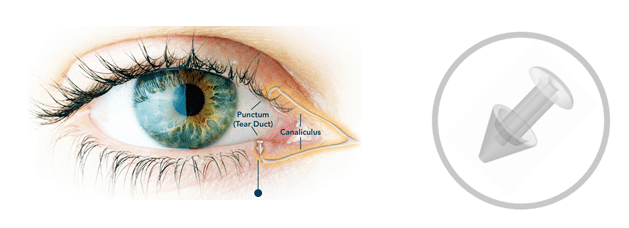
Punctal Occlusion: An Effective Treatment for Dry Eye
Learn how punctal occlusion works, who benefits from punctal plugs, and why tear retention therapy can improve moderate to severe dry eye symptoms.

What Is Pigmentary Dispersion Syndrome?
Learn what pigmentary dispersion syndrome (PDS) is, who is at risk, how it can lead to glaucoma, and why early detection through comprehensive eye exams is essential.
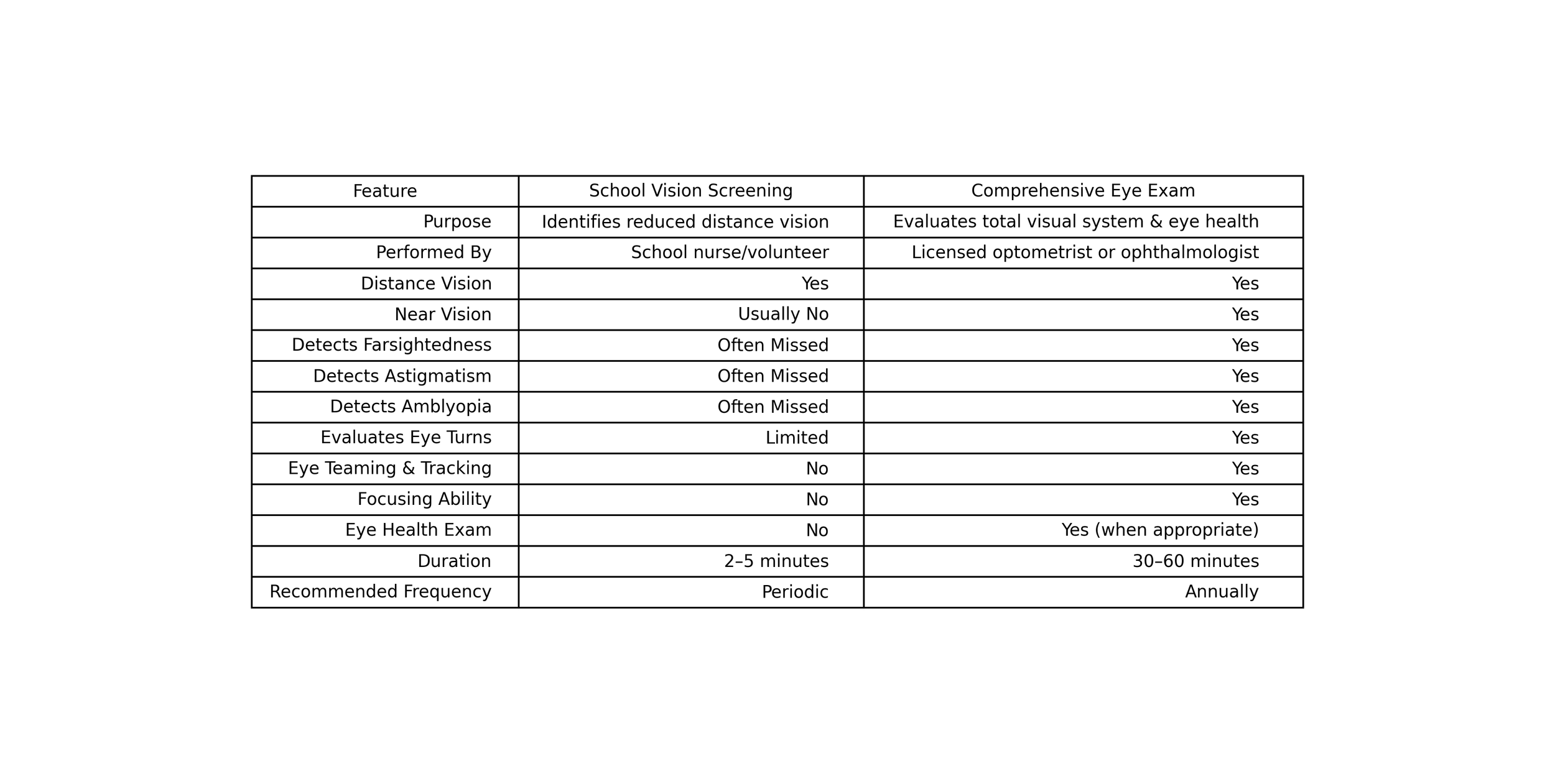
School Vision Screening vs. Comprehensive Eye Exam
Learn the difference between a school vision screening and a comprehensive eye exam — and why passing a screening doesn’t guarantee healthy vision.

Firework Safety Tips: Protecting Your Eyes This Fourth of July
Fireworks can cause serious eye injuries. Learn practical Fourth of July eye safety tips to protect children and adults during summer celebrations.
Blurry Vision After Cataract Surgery? Understanding Posterior Capsular Opacification (PCO)
Experiencing blurry vision months or years after cataract surgery? Learn about posterior capsular opacification (PCO), why it happens, and how YAG laser capsulotomy restores clarity.

5 Essential Tips for Summer Eye Care
Protect your eyes this summer with expert tips on UV safety, dry eye prevention, sports eye protection, allergy relief, and reducing digital eye strain.
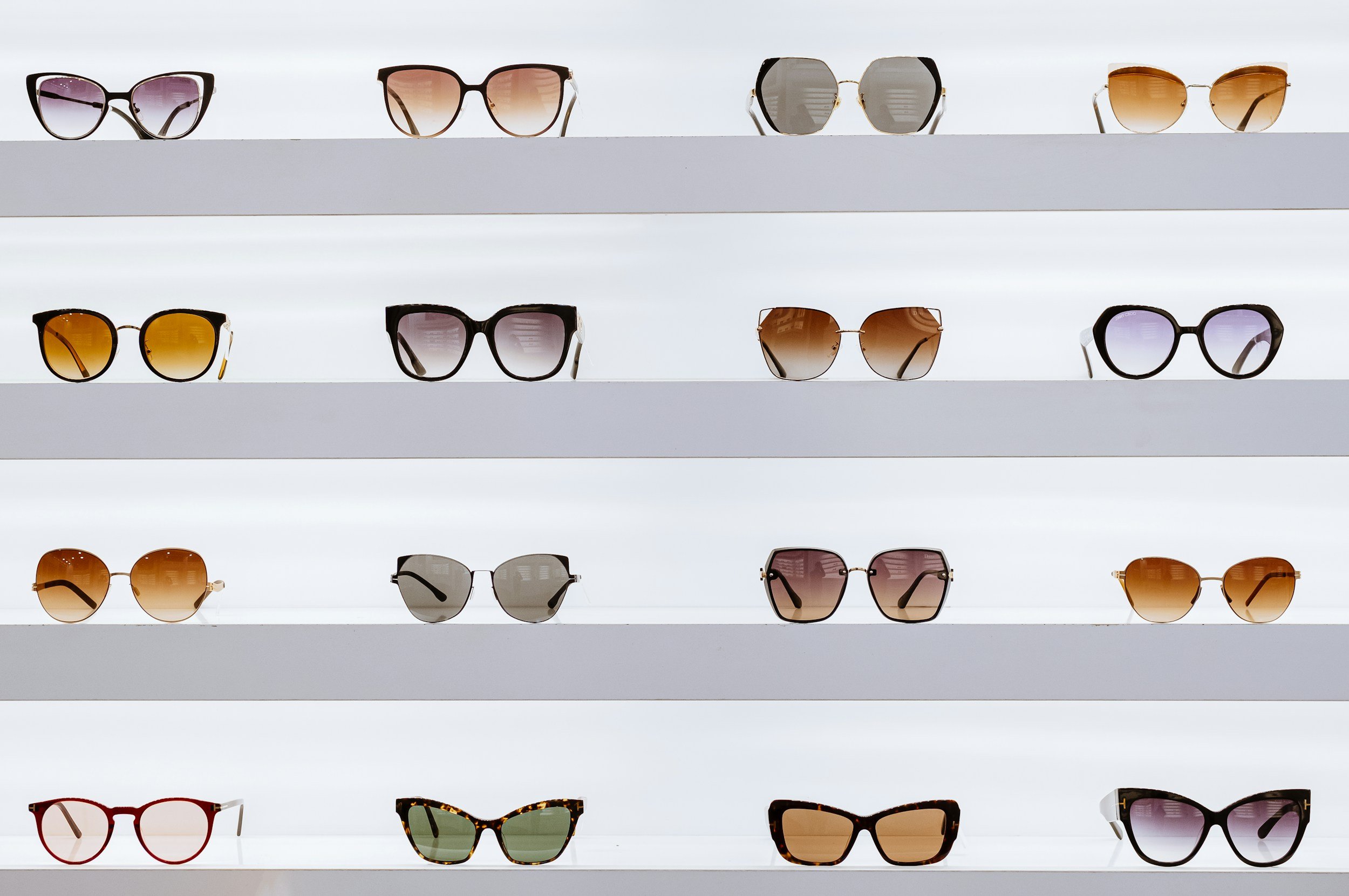
How Tinted Lenses Improve Vision and Visual Comfort
Learn how tinted lenses reduce glare, enhance contrast, and improve visual comfort. Discover when lens tints may help with migraines, sports performance, and eye conditions.

Understanding Epiretinal Membranes: What They Are and When to Treat Them
Learn what an epiretinal membrane (macular pucker) is, why it forms, symptoms to watch for, and when vitrectomy surgery may be recommended to improve vision.
Understanding Pigmentary Dispersion Glaucoma: Causes, Symptoms, and Treatment
Pigmentary dispersion glaucoma affects younger, nearsighted adults and can progress silently. Learn the causes, symptoms, diagnosis, and treatment options to protect your vision.

When a Child’s Eyes Are Sick: Ocular Diseases That Can Occur in Childhood
Learn about serious eye diseases that can occur in children — including retinoblastoma, congenital cataracts, and retinal disorders — and why early eye exams matter.
Understanding “Lazy Eye” (Strabismus): What Parents Need to Know — Part 2
Learn what strabismus is, why eyes turn, how it’s diagnosed, and what treatments are available. Early detection helps protect visual development.

Understanding “Lazy Eye” (Amblyopia): What Parents Need to Know — Part 1
Learn what “lazy eye” really means. Discover the causes, diagnosis, and treatment of amblyopia in children — and why early detection is critical.