Retinal Disease Education Hub
The retina is the light-sensitive tissue at the back of the eye that allows us to see. Because it plays such a critical role in vision, retinal conditions can have serious consequences if not detected early. This hub explains common retinal diseases, risk factors, and why regular exams are essential for protecting sight.
Learn the Basics
Retinal diseases affect the back of the eye and may impact central or peripheral vision. Conditions such as macular degeneration, diabetic retinopathy, and retinal detachment can develop gradually—or appear suddenly.
Understanding how the retina works makes it easier to recognize early warning signs.
Risk Factors & Systemic Health
Many retinal conditions are linked to systemic health. Diabetes, high blood pressure, aging, and family history all influence risk. Because retinal changes can reflect overall health, comprehensive eye exams can play an important role in early detection.
When to Pay Attention
Flashes of light, new floaters, distorted vision, a dark curtain over part of your vision, or sudden central blur require urgent evaluation. Subtle changes should not be ignored. Timely care can mean the difference between preservation and permanent vision loss.
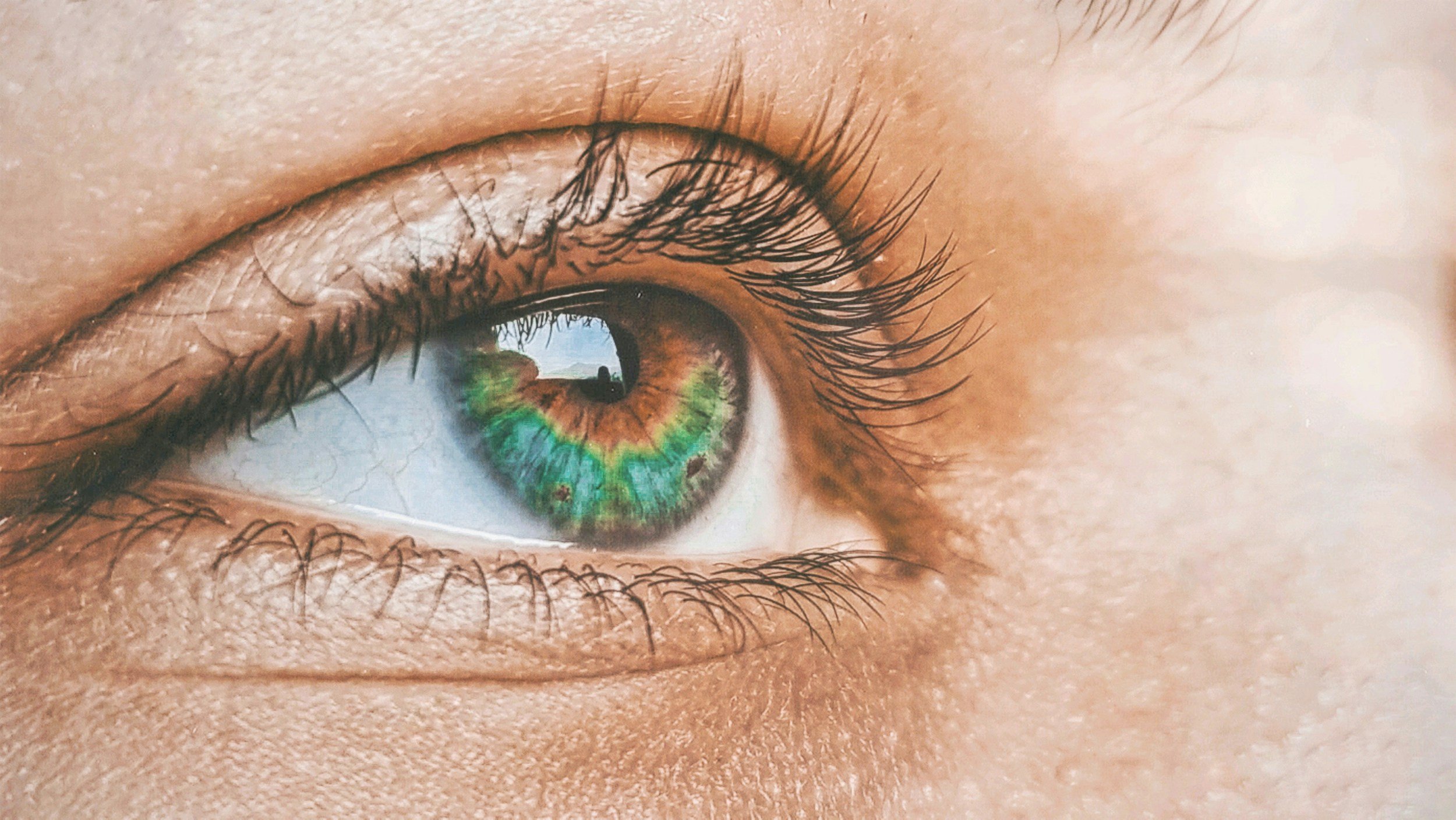
How rare are green eyes? Learn the science behind eye color, light sensitivity, and how to safely wear colored contacts for St. Patrick’s Day.
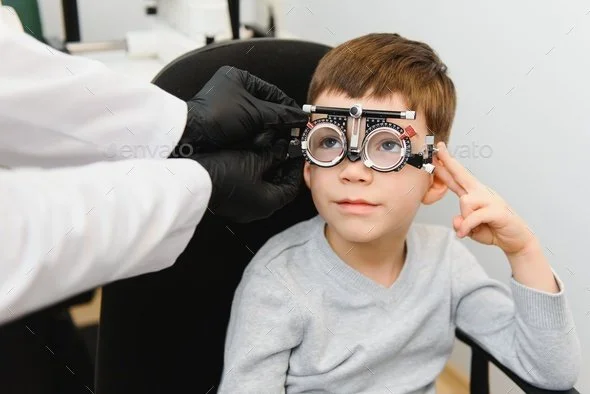
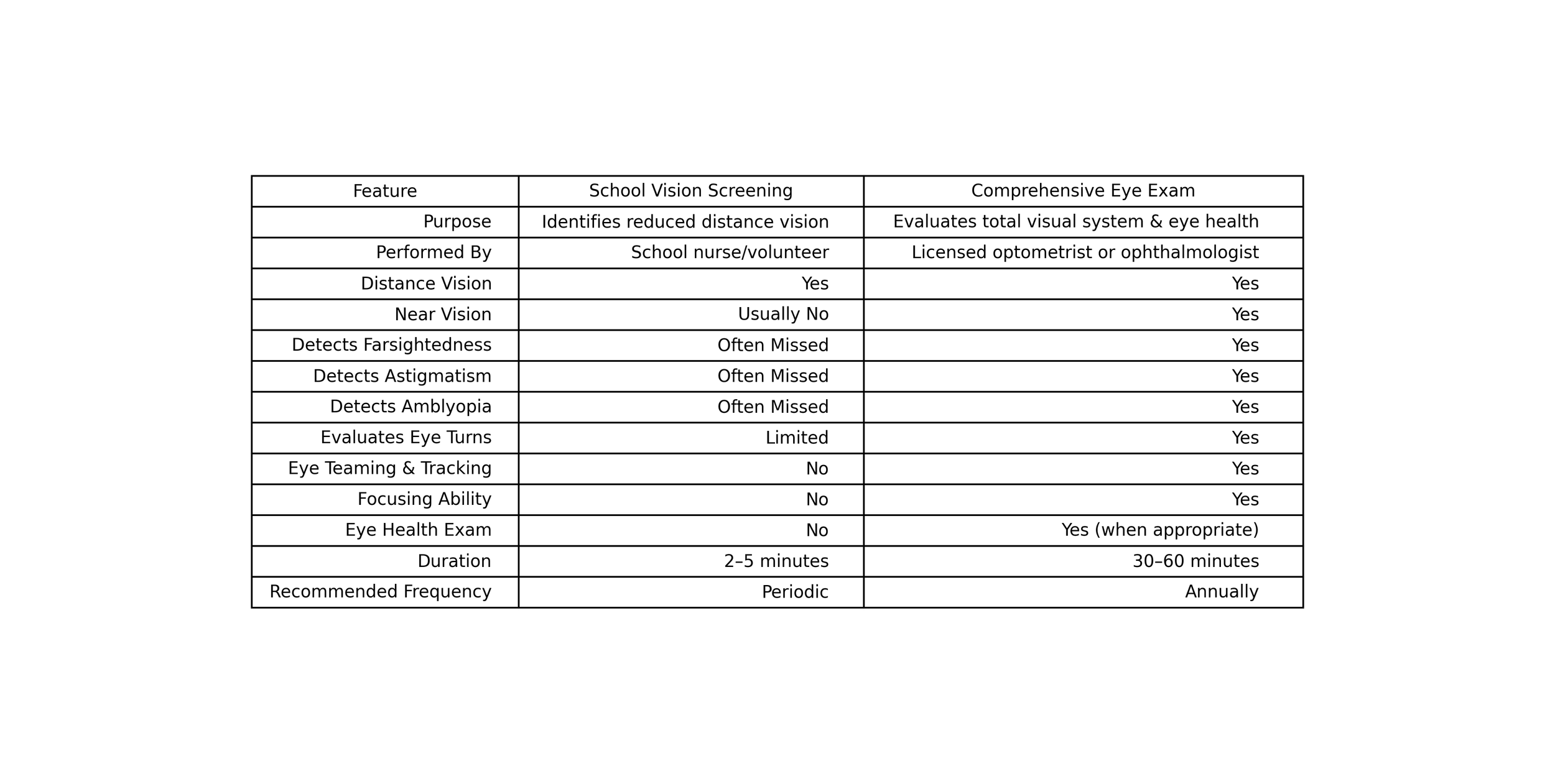
Even if your child passed a school vision screening, a comprehensive eye exam is essential. Learn why early pediatric eye exams protect learning and development.
Glaucoma is a leading cause of irreversible blindness and often has no early symptoms. Learn the types, risk factors, diagnosis, and treatment options to protect your vision.
Learn how digital eye strain affects children and families, common symptoms to watch for, and practical screen-time habits that support healthy visual development.
hink you don’t need an eye exam because your vision is clear? Learn why comprehensive eye exams detect silent eye diseases early — even when you have 20/20 vision.
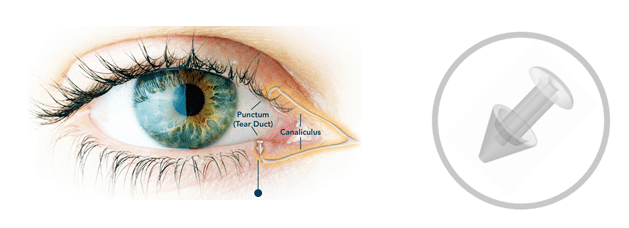
Meibomian gland dysfunction (MGD) happens when tiny oil glands along your eyelids don’t work as well as they should, which can disrupt your tear film and lead to dry, irritated eyes.
Blinking does more than you think. Learn why screens make us blink less, how blinking keeps eyes comfortable, and simple ways to blink better during screen time.
Screens are part of daily life—but they also ask a lot from our eyes. This article breaks down what digital eye strain is, why it happens, and the small, practical changes that can make screen time more comfortable.
Ever wonder what really happens during an eye exam? Read more to learn what your doctor looks for
What is presbyopia? Learn why near vision changes after 40, common symptoms, and how reading glasses or contacts can help.
What is astigmatism? Learn how irregular eye shape causes blurry or distorted vision, how it’s measured, and how glasses or contacts correct it.
Many people are farsighted but don’t know it and suffer from eye strain as a result. Learn more about what it means to be farsighted